Frequently asked questions
Frequently asked questions about label materials and adhesives
Common questions about how to choose the right face material and adhesive for each application.
What types of self-adhesive labels are there by material?+
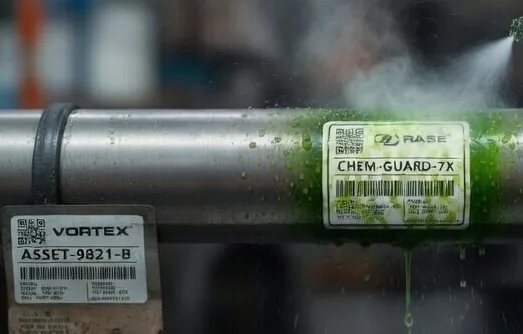
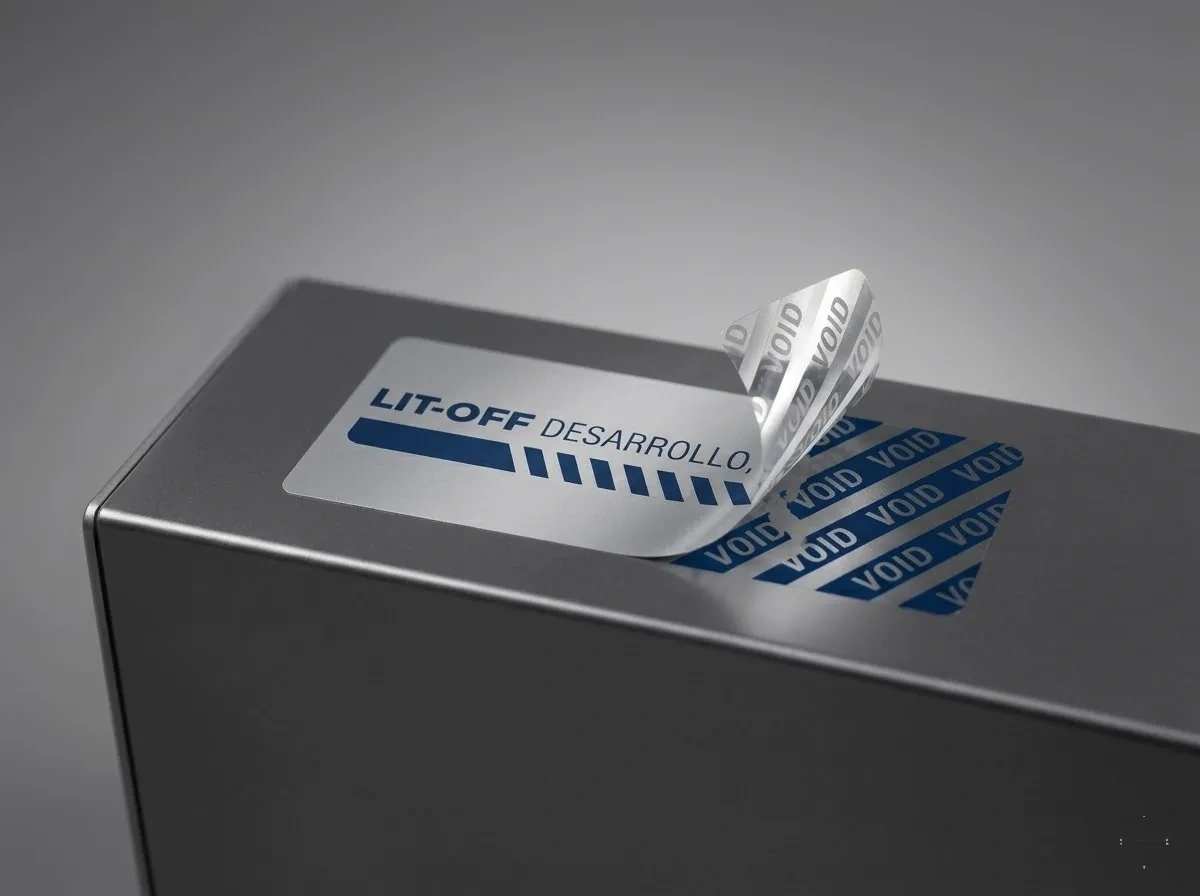
The main material families for industrial labels are: polyester (resistant to solvents, abrasion and up to 150 °C), polypropylene (waterproof and flexible up to 80 °C), direct thermal paper (economical, ribbon-free, for indoor use), coated paper (good value for indoor use), adhesive-free high-temperature materials from the ARGIPRINT° range (200 to 500 °C), and security materials (VOID, destructible and holographic) that leave a trace when tampered with. The right material depends on the surface, the environment and the required durability.
Can polyester be printed with a direct thermal printer?+
Not directly. Polyester requires thermal transfer (with resin or wax-resin ribbon). Specific polyester versions for direct thermal exist, but they are uncommon. If you need ribbon-free printing, the most common options are thermal paper, top-coated thermal paper (with a protective layer for greater durability) and, when a synthetic face material is required, direct thermal polypropylene.
Which adhesive works on dusty or greasy surfaces?+
For surfaces contaminated with dust, grease or oils, we recommend a rubber-based hot-melt adhesive with high initial tack, or high-performance acrylic adhesives designed specifically for difficult surfaces. In some cases, the application area needs to be cleaned beforehand.
What is the practical difference between a matt and a gloss finish?+
A matt finish reduces glare and makes reading easier in environments with direct lighting or laser scanners. A gloss finish offers higher visual contrast and a better appearance for commercial applications. In industrial environments, matt tends to be more functional.
Do VOID security materials work on plastic?+
It depends on the type of plastic. On ABS, polycarbonate and treated surfaces they work correctly. On untreated polyethylene or polypropylene, adhesion may be insufficient to trigger the VOID effect. A prior test is recommended.
When do I need a synthetic material instead of paper?+
When the label will be exposed to moisture, chemicals, abrasion or extreme temperatures. Paper deteriorates under those conditions: it tears, fades or peels off. Polyester and polypropylene keep their readability and adhesion where paper fails. If you are not sure which one you need, the materials selection guide can help you decide.