Lit-Off Desarrollo

Materials for self-adhesive labels

Polypropylene labels: waterproof and flexible for packaging, logistics and cold

Polypropylene is the standard waterproof material for packaging labelling: unaffected by water, moisture or splashes. Flexible and lightweight, it adapts to curved surfaces such as bottles, tubs and containers. It is used when paper cannot cope and polyester is more than the application needs.

Temperature

-20 °C to +80 °C

Moisture resist.

High

Printing

Wax-resin / resin ribbon

Finishes

Matt / Gloss / Transparent

Common applications

  • Labelling of packaging in contact with moisture.
  • Identification in logistics and outdoor warehousing.
  • Applications on plastic containers and curved surfaces.
  • Commercial labelling with transparency or no-label finish.

Compatible adhesives

Permanent acrylic, removable, rubber (hot-melt) for fast adhesion on cardboard and porous surfaces. In the transparent version, a transparent adhesive for the “no-label look” effect.

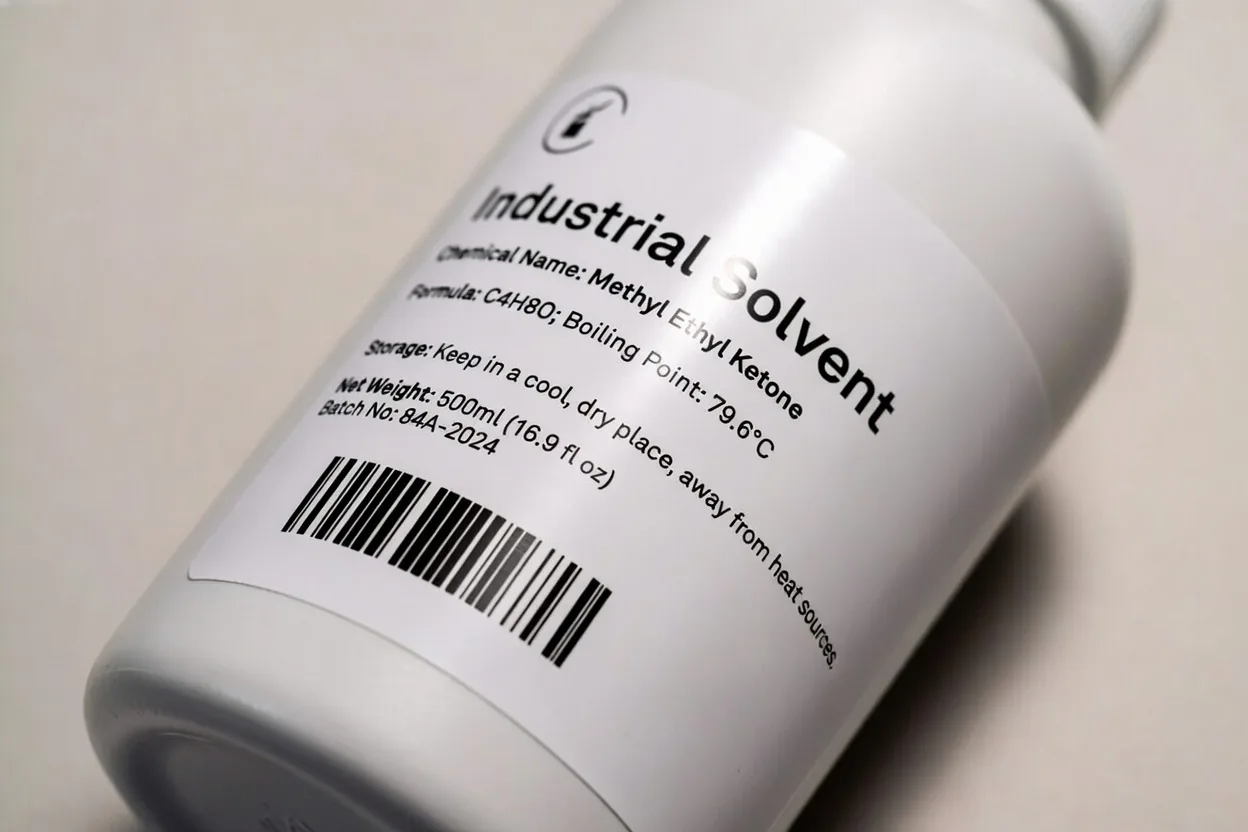
Polypropylene label applied to an industrial package

Material variants

PP White mattPP White glossPP TransparentPP Direct thermal
  • White matt: optimal for printing codes and technical text with no glare.
  • White gloss: greater visual contrast, common in product and packaging labelling.
  • Transparent: “no-label look” effect, ideal for showing the package or the contents.
  • PP DT: prints without a ribbon, with water resistance higher than standard thermal paper.

Need more resistance?

For applications with high chemical demands, temperatures above +80 °C or a lifespan of years, polyester is the suitable alternative.

See polyester labels →

Selection criteria

When to choose polypropylene? Waterproof, flexible and economical

Polypropylene handles humid environments, curved surfaces and volumes where cost is a factor. When thermal or chemical demands increase, polyester is the correct alternative.

When to choose it

  • Humid, cold or condensation-prone environments: food, refrigerated logistics, industrial cleaning.
  • Curved or irregular surfaces requiring a flexible, adaptable material.
  • Medium-to-high volumes where cost per label is significant and the environment is not aggressive.
  • Labelling of bottles, plastic packaging, boxes and packages with a white or transparent finish.

When not to choose it

  • Continuous service temperature exceeds 80 °C: polyester withstands much more.
  • Contact with aggressive solvents, concentrated acids or strong industrial oils.
  • The label must stay readable long-term outdoors with intense UV exposure.
  • Manufacturing processes with intense heat: autoclave or oven curing.

Economic criterion

PP has a lower cost per label than polyester in most logistics and packaging applications. The difference is significant at medium and high volumes, and holds as long as the application does not require chemical or thermal resistance above 80 °C.

Ask for a price comparison →

Where it is used

Common sectors for polypropylene labelling

Polypropylene is the usual choice when moisture is the critical factor, the package has curved geometry, or volume makes cost per label a relevant criterion.

Sector

Food and beverages

In food, the label lives with moisture, condensation and cold from packaging to the shelf. Polypropylene withstands those conditions without lifting off or losing readability, and its white or transparent finish matches the sector's visual standards.

  • Labelling of packaging in cold storage and refrigerated distribution.
  • Bottles, tubs and packaging with curved surfaces.
  • Resistance to splashes, light cleaning and frequent handling.
See food sector

Sector

Logistics and distribution

In logistics, polypropylene covers the cases where paper is not enough: humid environments, outdoor conditions or weathering during transit. Its resistance to water and abrasion makes it suitable for high volumes without pushing up the cost of labelling.

  • Dispatch labels for shipments in humid or outdoor conditions.
  • Identification of pallets and boxes in warehouses with temperature variations.
  • High volume where the balance between performance and cost is decisive.
See logistics sector

Sector

Consumer goods and packaging

Transparent polypropylene is the usual material when the label needs to blend visually with the package or show the product. Its flexibility allows it to adapt to tight curves without the material wrinkling or the adhesive losing grip.

  • Transparent labels with a “no-label look” effect on bottles and jars.
  • Plastic packaging with heavily curved or irregular surfaces.
  • Gloss or matt white finish for commercial labelling applications.

Sector

Cleaning, hygiene and personal care

Manufacturers of detergents, disinfectants and hygiene products need labels that withstand contact with the contents of the package. Polypropylene withstands typical contact with soaps, detergents and common cleaning products without lifting off or losing readability.

  • Household and industrial cleaning product packaging: bleach, degreasers, disinfectants.
  • Personal hygiene and cosmetics: shampoo, gel, creams and care products.
  • Transparent PP for a no-label effect on packaging where the design or contents need to be visible.

Material variants

Four variants: white matt, white gloss, transparent and direct thermal

Polypropylene is available in four main variants. White matt covers most cases in logistics and traceability; gloss, transparent and direct thermal meet specific needs of presentation, aesthetics or the printing environment.

PP White matt

Most common

The standard finish for logistics, warehousing and product traceability. The matt surface avoids glare and supports reliable optical barcode scanning. Compatible with wax-resin and resin ribbon.

Temperature

-20 °C to +80 °C

Moisture resist.

High

Printing

Wax-resin / resin ribbon

Finish

Matt, no glare

Common applications

  • Dispatch and logistics labels for warehousing and transport.
  • Identification of packaging, boxes and pallets in humid environments.
  • Traceability in cold stores and refrigerated chambers.

PP White gloss

High definition

Greater visual contrast than matt. A clean, glossy finish ideal for end-product labelling, consumer packaging or applications where the label's appearance is part of the product.

Temperature

-20 °C a +80 °C

Moisture resist.

High

Printing

Wax-resin / resin ribbon

Finish

Gloss / high definition

Common applications

  • Consumer product labelling and food packaging.
  • Price and promotion labels at point of sale.
  • Identification of packaging where the final presentation of the product matters.

PP Transparent

No-label effect

The label blends visually with the package or the product. With no visible white background, it shows the colour or contents through the material. The usual option when the package's aesthetics must not be interrupted.

Temperature

-20 °C a +80 °C

Moisture resist.

High

Printing

Wax-resin / resin ribbon

Finish

Transparent

Common applications

  • Bottles, jars and packaging where you want to show the contents or the colour of the container.
  • Cosmetics, hygiene and personal care product labelling.
  • Applications where a white background would break the package's aesthetics.

The other key factor

Adhesives for polypropylene labels

The polypropylene face material can be combined with different adhesives depending on the surface, the environment and whether the label needs to be permanent or removable.

01

Permanent acrylic

General use indoors and in moderate outdoor conditions. Good resistance to moisture and UV. The standard for most logistics and packaging applications.

Typical use

General logistics and packaging

02

Removable acrylic

Removes without leaving residue or damaging the package under normal conditions of use. For temporary labelling, product re-labelling or provisional identification on the production line.

Typical use

Re-labelling and temporary labelling

03

Rubber (hot-melt)

High initial tack. Adheres quickly to cardboard, porous surfaces and recycled materials. Widely used in high-turnover logistics.

Typical use

High-turnover logistics

04

Colourless adhesive

Colourless adhesive combined with transparent PP to achieve the “no-label look” effect. Common on packaging where you want to show the contents or the product design.

Typical use

Presentation packaging

Frequently asked questions

Common questions about polypropylene labels

Answers to the most common questions before requesting a sample or a quote.

When is polypropylene preferable to polyester?+

Polypropylene is a good choice when the label needs to resist moisture but does not require the temperature range or chemical resistance of polyester. It is more flexible, more economical and works well in logistics, packaging, food and moderate outdoor use. If the requirement is higher — temperatures above 80 °C, aggressive solvents or a lifespan of years — polyester is the right choice.

Does polypropylene support thermal transfer printing?+

Yes. Polypropylene is compatible with thermal transfer. For thermal transfer, wax-resin or resin ribbons are recommended depending on the demand level. Direct thermal versions of PP also exist, useful when you want to print without a ribbon in humid environments.

Does polypropylene work on curved surfaces or containers?+

Yes, it is one of its strengths. PP is flexible and adapts well to bottles, drums, tubes and plastic containers. The key is the adhesive: on untreated polyethylene or polypropylene, a specific adhesive with high initial tack may be needed.

What finishes are available for polypropylene labels?+

The most common are matt white, gloss white and transparent. Transparent with a transparent adhesive gives the “no-label look” effect, widely used on packaging where the contents or the package design should be visible.

Can it be used for food labelling?+

Yes. Polypropylene is commonly used for labelling equipment and process areas within the food industry, where there is moisture and frequent cleaning. For direct food-contact applications, the adhesive and specific material need to be verified for the project.

What is the minimum order quantity?+

We work with both small runs and larger production volumes. The minimum quantity depends on the format, the material and the printing system. Contact us with the dimensions and estimated volume.

Can you send a sample before production?+

Yes. In projects where the environment or the surface raises questions, it is standard practice to validate a sample first before starting production.

Is it suitable for labels going into the freezer room?+

Yes, with the right adhesive. Polypropylene with a cold-chain stable adhesive maintains adhesion in cold and freezer rooms. For temperatures below -18 °C, tell us the exact range so we can confirm the correct construction.

What is the practical difference from polyester if both resist moisture?+

Both resist moisture, but polyester withstands exposure to solvents, oils and chemicals better, and is more rigid. Polypropylene is more flexible, more economical and better suited to packaging, bottles and applications where cost per label matters. For chemically demanding industry, polyester is the safer choice.
Contact

Need guidance on polypropylene?

Tell us the surface, the environment and the end use. We will guide you to the most suitable material and adhesive from the first contact.

  • No-obligation technical advice.
  • Response within 24 hours.
  • Material samples when the project requires it.
Please enter your company name.
Please enter your name.
Enter a valid email address.
Please write your message.
You must accept the privacy policy to continue.