What is the GS1/SSCC label and when is it mandatory?+
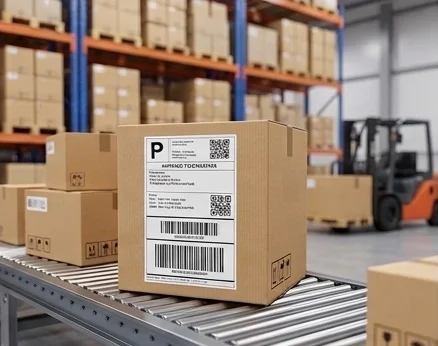
The GS1/SSCC label is the standard logistics label for the supply chain. It contains an 18-digit code that uniquely identifies each shipping unit worldwide. It is mandatory when exchanging goods with major distributors, supermarket chains and logistics operators working to GS1 standards. It also includes fields such as batch, expiry date, reference and supplier code.
What affects reliable reading of a logistics label?+
In automated logistics, every failed read creates an exception: the parcel is diverted or requires manual intervention. Print quality — code density, contrast and bar width — the material, and adhesion to the substrate are the key factors. Verifying the code to ISO/IEC 15416 (1D) or 15415 (2D) helps reduce errors before producing large volumes.
Can I print the labels in my own warehouse?+
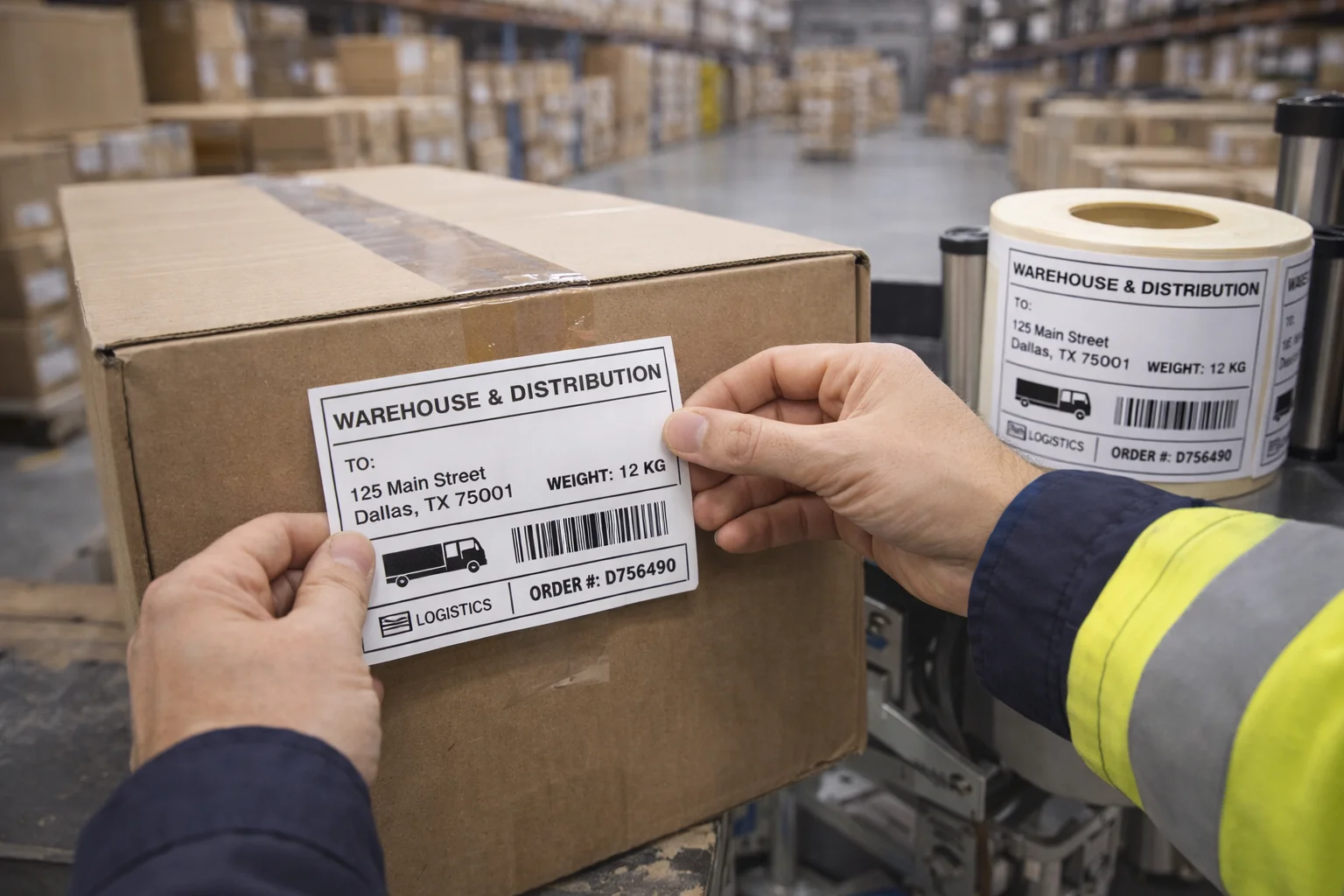
Yes, printing at point of use with thermal printers is the standard system in logistics. We supply blank labels on rolls, sized for the printer model you use. If you use thermal transfer, we also recommend the right ribbon. The format, core, outer diameter and width must match your printer's specifications exactly.
Which material is better: direct thermal, polypropylene or polyester?+
It depends on the environment and duration. Direct thermal is the most economical option for short-life labels in picking and shipping: no ribbon, direct printing. Polypropylene withstands moisture, cold and aggressive handling: cold rooms, maritime shipping and humid environments. Polyester is the choice for extended outdoor transit and asset identification: high resistance to abrasion, UV and weathering.
How are the GS1 codes we print verified?+
GS1 barcodes are verified with a verifier calibrated to ISO/IEC 15416 (1D) or ISO/IEC 15415 (2D). Verification measures symbol contrast, minimum reflectance and bar distortions. GS1 also offers verification services through its national organisations. At Lit-Off we can guide you on the technical code requirements for your distribution chain.
What label is used in cold stores or refrigerated chambers?+
In refrigerated environments (between −25 °C and +5 °C) conventional adhesive loses grip because the pack surface is cold or damp with condensation. Labels with a cold-formulated adhesive are used, which maintain adhesion even on damp surfaces. The most common face material is polypropylene or direct thermal with a moisture-resistant receptive coating. It is important to apply the label before the product goes into the chamber, so the adhesive cures correctly.
Can you send a sample before production?+
Yes. In logistics it's common to validate the material with the actual printer before producing a large volume. Tell us the printer model, the code type, the environment of use, the core, the width and the roll diameter. We'll prepare a calibrated sample so you can validate the print and read rate before placing the order.