Lit-Off Desarrollo

Substrates for extreme thermal environments

Polyimide and ARGIPRINT°: substrates for high-temperature labels

For high temperature there are two options. Polyimide with silicone adhesive covers up to +300 °C and allows thermal transfer printing: it is the standard choice when you need adhesive. ARGIPRINT° covers up to +500 °C but carries no adhesive — it is fixed with wire, cable tie or bolt. The choice depends on the exact temperature range, the surface and whether the process allows adhesive or requires mechanical fixing.

Max. temp.

+500 °C (ARGIPRINT°)

Fixing

Silicone / Mechanical

Ribbon

Resin

Base

Polyimide / ARGIPRINT°

Common applications

  • Identification of parts in curing and paint ovens.
  • Component traceability in soldering processes.
  • Marking of equipment in continuous high-temperature environments.
  • Labelling of metal parts in casting and injection moulding.

Fixing and adhesives

Silicone adhesive for polyimide (up to +300 °C).
ARGIPRINT° is fixed mechanically with wire, cable tie or bolt.

Label material for industrial high temperature

Material variants

Polyimide +300 °CARGIPRINT° +500 °C
  • Polyimide with silicone: up to +300 °C with adhesive; printable by thermal transfer with resin ribbon.
  • ARGIPRINT°: up to +500 °C with no adhesive; mechanical fixing with wire, cable tie or bolt; suitable for ovens and extreme processes.

Does the process require specific conditions?

If the temperature range, the substrate or the fixing method are unusual, ask about your specific case for technical guidance.

Ask about my application →

Selection criteria

When do you really need a high-temperature material?

There is one key question: does the label go through the thermal process with the part, or only before and after? If it goes inside the oven, the soldering process or the curing, this is your material. If it is applied cold and the part never exceeds 100 °C in service, a standard polyester is enough and more economical.

When to choose it

  • The label is present during the process: paint oven, curing, soldering, shot blasting or galvanising.
  • The peak process temperature sustainedly exceeds 150 °C.
  • The standard material (PP, PET, paper) has not survived the thermal cycle in previous tests.
  • The part is metal, ceramic or of irregular geometry where the standard adhesive does not work at that temperature.

When not to choose it

  • The label is applied after the thermal process: the part is already cold when it is labelled.
  • The service temperature does not exceed 100 °C: polyester with standard adhesive covers that range.
  • Volume is high and cost per label is a determining factor: these materials carry a noticeably higher price than PP or PET.
  • You need standard inkjet or toner printing: neither substrate is compatible without prior treatment.

Once confirmed, polyimide or ARGIPRINT°?

If your process exceeds 150 °C and the label must stay with the part through the thermal cycle, the next step is choosing between the two available substrates. The key difference: do you need adhesive, or can you fix it mechanically? The application guide resolves this by process and temperature.

See guide by thermal process →

Available constructions

Two models according to the process temperature

Each construction responds to a specific temperature range, a type of fixing and a printing process. The right choice keeps the code readable after the process.

No adhesive

ARGIPRINT° — Extreme high temperature

Peak temperature

up to +500 °C

Construction

ARGIPRINT° with no liner or adhesive. Mechanical fixing (wire, cable tie or bolt).

Printing

Resin thermal transfer.

Applications

  • Industrial ovens and heat treatments
  • Shot blasting and galvanising

When to choose it

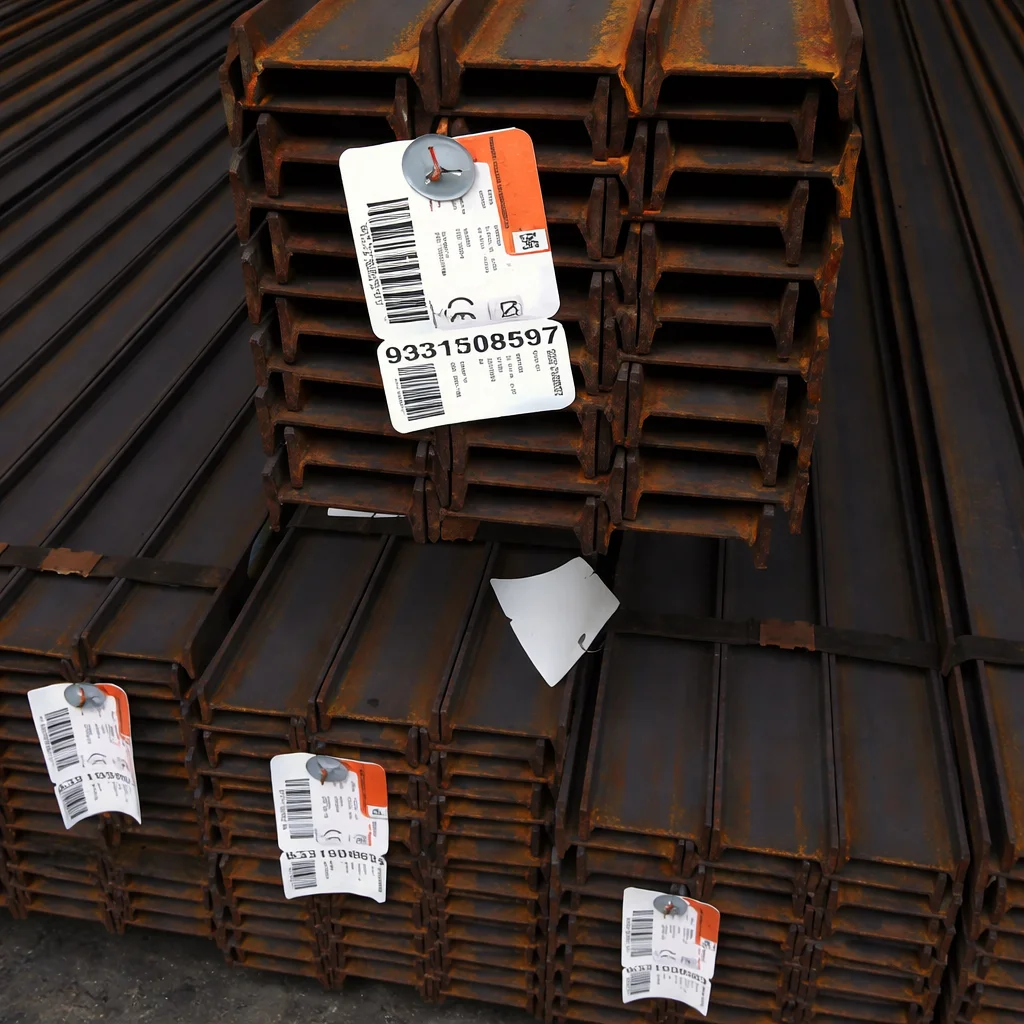
When the part goes into the oven whole or undergoes abrasive shot blasting. Mechanical fixing (wire, cable tie or bolt) does not depend on the surface condition: it works on rough, oxidised or greasy parts.

Silicone adhesive

Polyimide — Up to +300 °C

Peak temperature

up to +300 °C continuous

Construction

Gold polyimide film with high-temperature silicone adhesive.

Printing

Resin thermal transfer.

Applications

  • Reflow on PCB and wave soldering
  • Marking of electronic components

When to choose it

When the label must stay adhered through SMD soldering and keep a readable code (DataMatrix, QR) before and after the process. It requires a clean, flat surface; the silicone adhesive withstands the thermal cycles of electronics.

How to choose the material

No adhesive: ARGIPRINT° is fixed with wire, cable tie or bolt

Standard acrylic adhesives do not exceed 150 °C. For higher ranges there are two paths: silicone adhesive (polyimide, up to +300 °C) or adhesive-free mechanical fixing (ARGIPRINT°, up to +500 °C).

MaterialMax. temp.FixingPrintingTypical use
ARGIPRINT°+500 °CMechanicalTT resinOvens, shot blasting
Polyimide+300 °CSilicone adhesiveTT resinPCB, SMD soldering

Frequently asked questions

What people ask us about high-temperature labels

Answers to the most frequent questions before requesting a sample or a quote.

What material is suitable for a process at +300 °C?+

Polyimide with silicone adhesive covers up to +300 °C in continuous service and is the choice when a self-adhesive label is needed in that range. If the process exceeds that temperature or involves simultaneous chemical exposure, ARGIPRINT° (with no adhesive) is the right alternative.

When is polyimide preferable to ARGIPRINT°?+

Polyimide is preferable when adhesive is needed, the process does not exceed +300 °C, the surface is clean and flat — PCB, electronic components — and there is no exposure to aggressive chemical agents. It allows thermal transfer printing and keeps its integrity through SMD and wave soldering.

What printing systems do ARGIPRINT° and polyimide support?+

ARGIPRINT° KPK and HOT 151 support resin thermal transfer (TTR). Polyimide supports thermal transfer with a specific resin ribbon. Neither is compatible with standard inkjet printing or with toner without prior treatment.

Does the condition of the surface affect the choice of material?+

Yes, decisively. Polyimide requires a clean, flat surface free of oils or contaminants for the silicone adhesive to work correctly. ARGIPRINT° does not depend on the surface condition because it is fixed mechanically: it works on rough, oxidised, greasy parts or those with irregular geometries.

Want to know which label to choose for a specific process —paint oven, galvanising, shot blasting—? See the guide to labels for ovens and thermal processes →

Contact

Need technical specifications for high-temperature materials?

Tell us the peak temperature, the exposure time, the process (oven, shot blasting, soldering) and whether you need adhesive. We will guide you to the right construction from the first contact.

  • No-obligation technical advice.
  • Response within 24 hours.
  • Material samples when the project requires it.
Please enter your company name.
Please enter your name.
Enter a valid email address.
Please write your message.
You must accept the privacy policy to continue.